

Elephants in Arunachal Pradesh are reaching new heights, with herds recorded at elevations above 3,000 metres above sea level — the highest known elephant presence documented anywhere in the world.
Between December 2024 and March 2026, WWF-India and the Arunachal Pradesh Forest Department conducted a statewide assessment to document elephant distribution, human–elephant conflict (HEC) hotspots, habitat pressures, and landscape connectivity. It represents the first comprehensive effort to understand the scale, intensity, and trends of adverse human-elephant interactions across Arunachal Pradesh.
The study provides the first baseline for crop losses, property damage, and human casualties attributed to elephants across the state. Records of such incidents were compiled from all elephant-bearing forest divisions from available forest department records and local consultations.
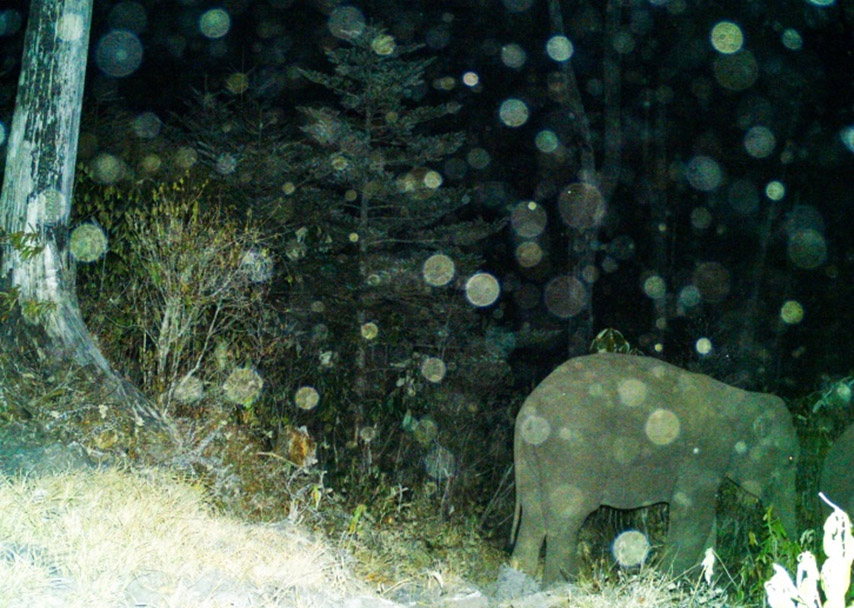
Camera-trap capture of an elephant herd above 3,200 m, the highest known altitude of elephant presence. © WWF-India/Arunachal Pradesh Forest Department
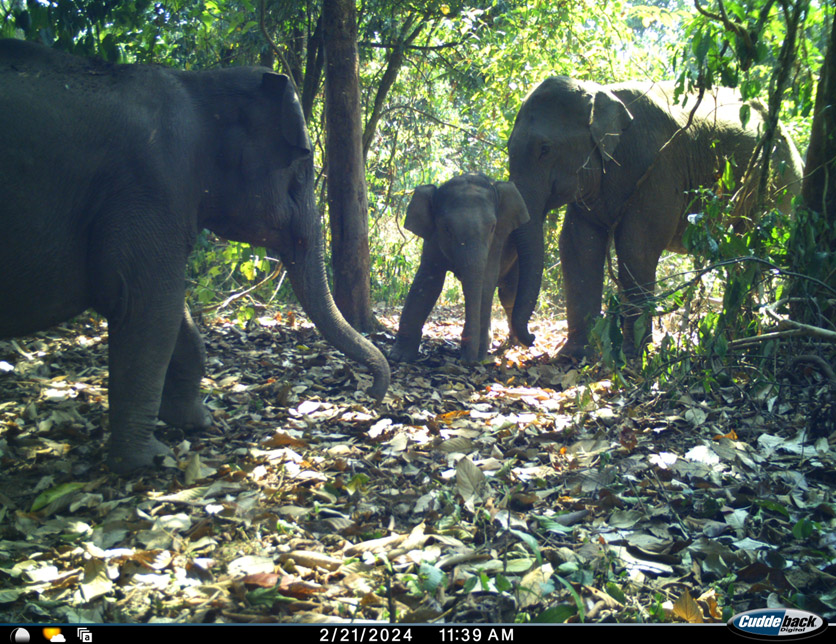
Camera-trap capture of a family of elephants in a non-protected area in Arunachal Pradesh. © WWF-India/Arunachal Pradesh Forest Department
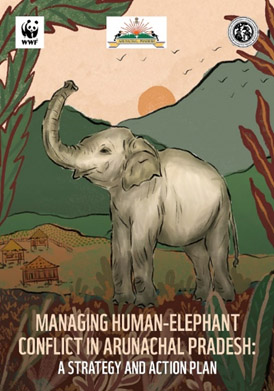 The findings from the assessment have been compiled in a report, Managing Human–Elephant Conflict in Arunachal Pradesh: A Strategy and Action Plan, which was released on 22 May 2026 at Itanagar, by Shri Wanglin Lowangdong, Hon'ble Advisor to Minister, Environment, Forests, and Climate Change, Government of Arunachal Pradesh. Shri Lowangdong called this an important publication, considering that human-wildlife conflict, particularly with elephants, is a serious issue in Arunachal Pradesh.
The report outlines a framework for effective management of human-elephant conflict by addressing drivers of conflict such as habitat loss, degradation, and fragmentation. Further, it provides pathways to mitigate human casualties, offset crop losses and establish community-led approaches for safer shared spaces between people and elephants in Arunachal Pradesh.
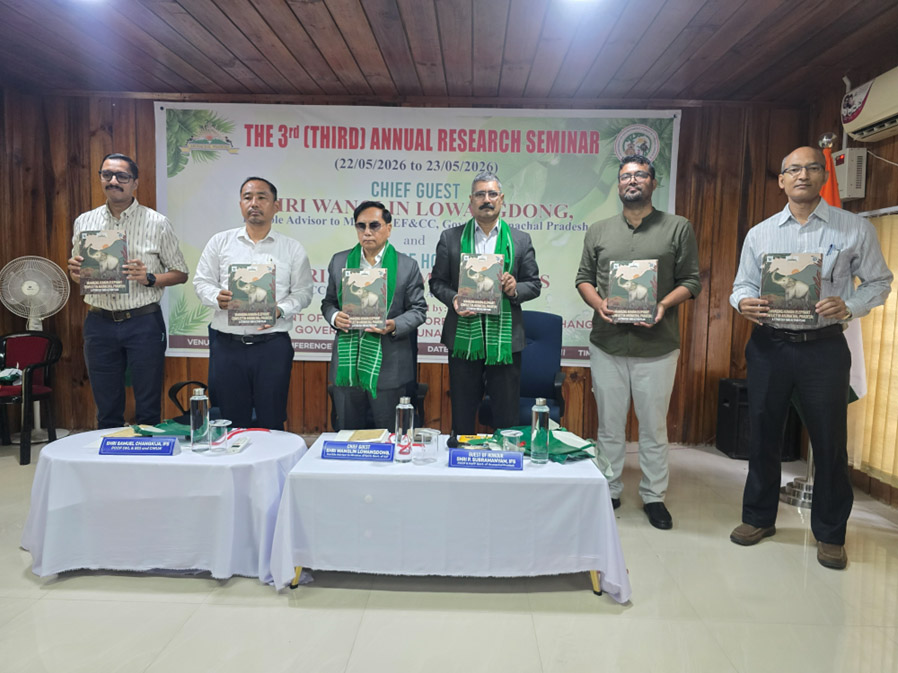
The report outlines a framework for effective management of human-elephant conflict by addressing drivers of conflict such as habitat loss, degradation, and fragmentation. Further, it provides pathways to mitigate human casualties, offset crop losses and establish community-led approaches for safer shared spaces between people and elephants in Arunachal Pradesh.
Dr Aritra Kshettry, National Lead for Elephant Conservation, WWF-India, said: “Ensuring connectivity between habitats is crucial for managing human–elephant conflict, as fragmented landscapes can force elephants into human-dominated areas, increasing the likelihood of conflict. A more integrated approach to planning and conservation is essential to balance ecological needs with human safety and livelihoods. We are hopeful that the new Action Plan will become a useful resource and support intervention for strengthening human-elephant coexistence in the state.”
Shri P Subhramanyam, IFS, PCCF & HOFF, further added, “Since HEC has become a cause for concern in Arunachal Pradesh, ways of coexistence need to be promoted. This Action Plan will support in guiding interventions for reducing conflict and strengthening coexistence”.
Alongside immediate management interventions, the report, Managing Human–Elephant Conflict in Arunachal Pradesh: A Strategy and Action Plan, underscores the importance of strengthening scientific understanding of HEC in the state. With the evidence-based, strategic planning and locally grounded action, Arunachal Pradesh has the potential to become a leading example of managing human–elephant coexistence in complex and rapidly changing landscapes.
DOWNLOAD:
1. Report Summary
2. Complete Report