

The skies of Coimbatore are telling a story—one of resilience, quiet warning, and urgent opportunity. Against the backdrop of expanding city limits and ambitious development, a new assessment is drawing attention to the ecological guardians that often go unnoticed above the urban bustle. Raptors—eagles, kites, owls, and vultures—have long served as sentinels of environmental health. In Coimbatore, they are now shaping the conversation about the city's future.
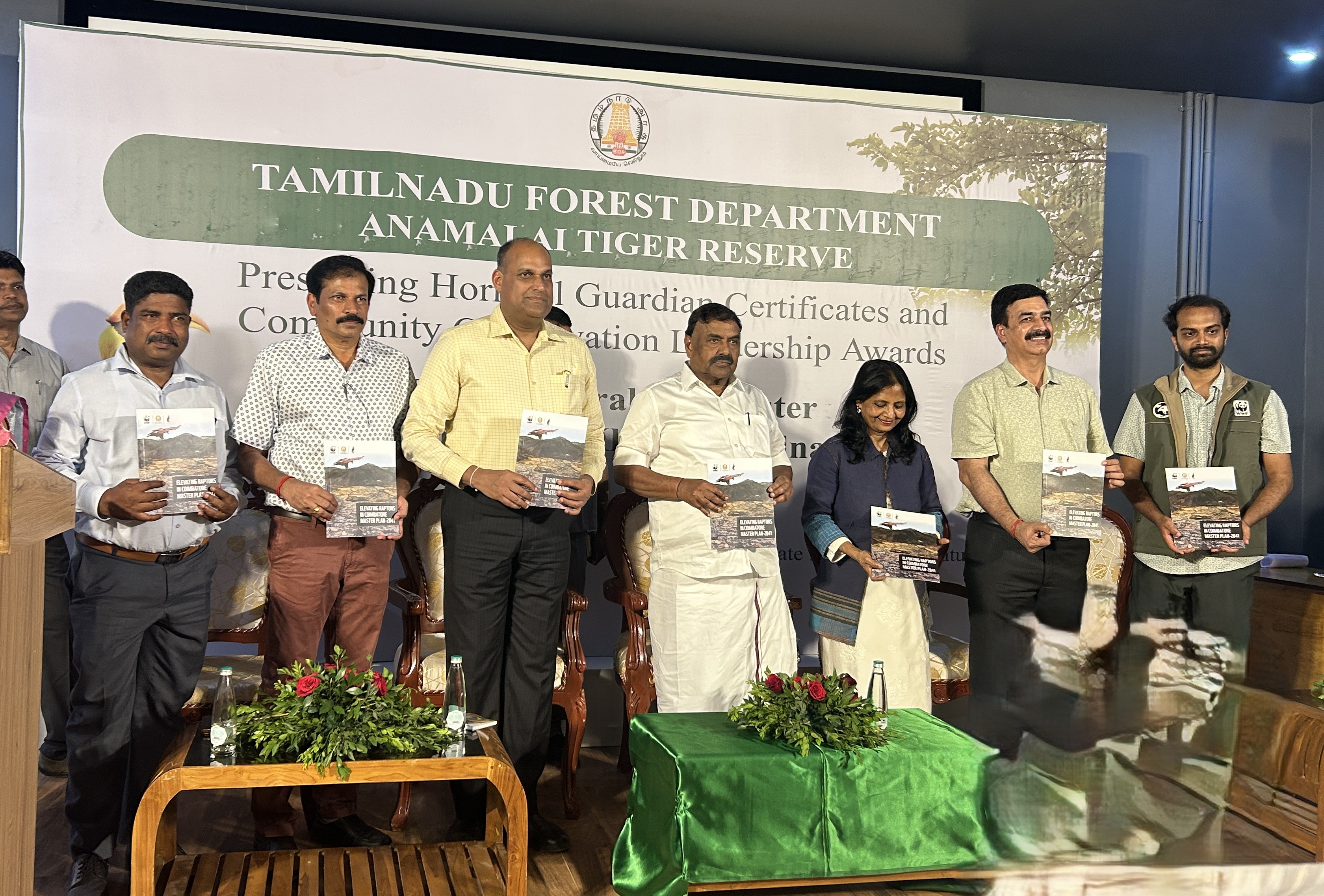
On 28 February 2026, underscoring a commitment to nature-positive urban planning and biodiversity conservation, the Hon'ble Forest Minister of Tamil Nadu, Shri Thiru R. S. Rajakannappan, in the presence of Ms Supriya Sahu, IAS, Additional Chief Secretary (Environment, Climate Change & Forests) released —Elevating Raptors in Coimbatore Master Plan 2041— a joint report by Tamil Nadu Forest Department and WWF-India. The report was released in Coimbatore in the presence of Shri Srinivas R. Reddy, PCCF & HoFF; Shri Rakesh Kumar Dogra, PCCF & CWLW; Shri D. Venkatesh, CCF; Shri N. Jayaraj, former Coimbatore DFO; and other officials and NGO representatives.
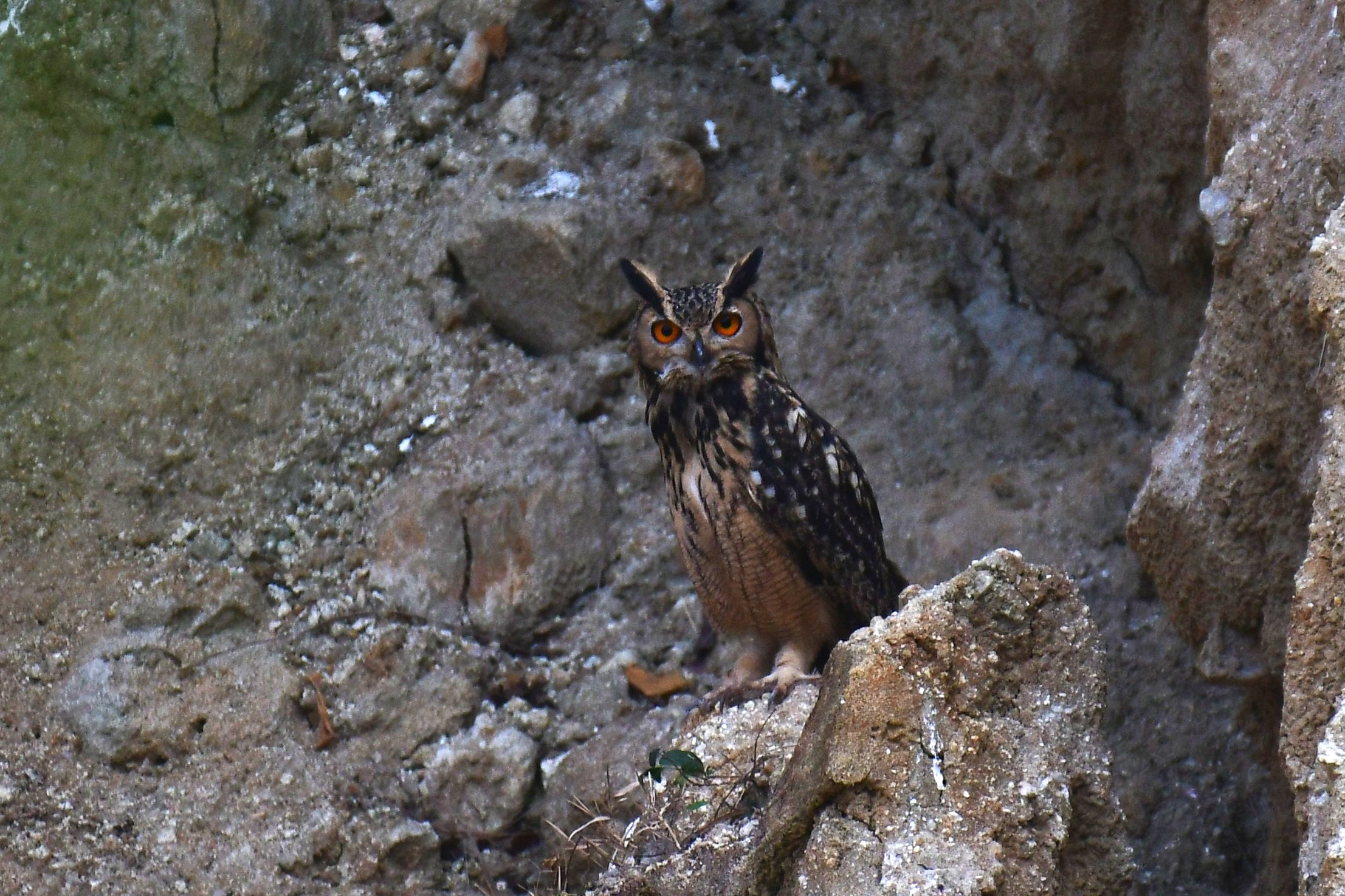
"Elevating Raptors in Coimbatore Master Plan 2041" is a comprehensive study undertaken by the Tamil Nadu Forest Department and WWF-India spanning seven forest ranges across Coimbatore during 2021-2025. The study involved field surveys that were conducted in 2025. A total of 202 sightings of raptors, representing 25 species, were recorded during field surveys. The most commonly observed raptor species were the shikra (Tachyspiza badia), Brahminy kite (Haliastur indus), and crested serpent-eagle (Spilornis cheela).
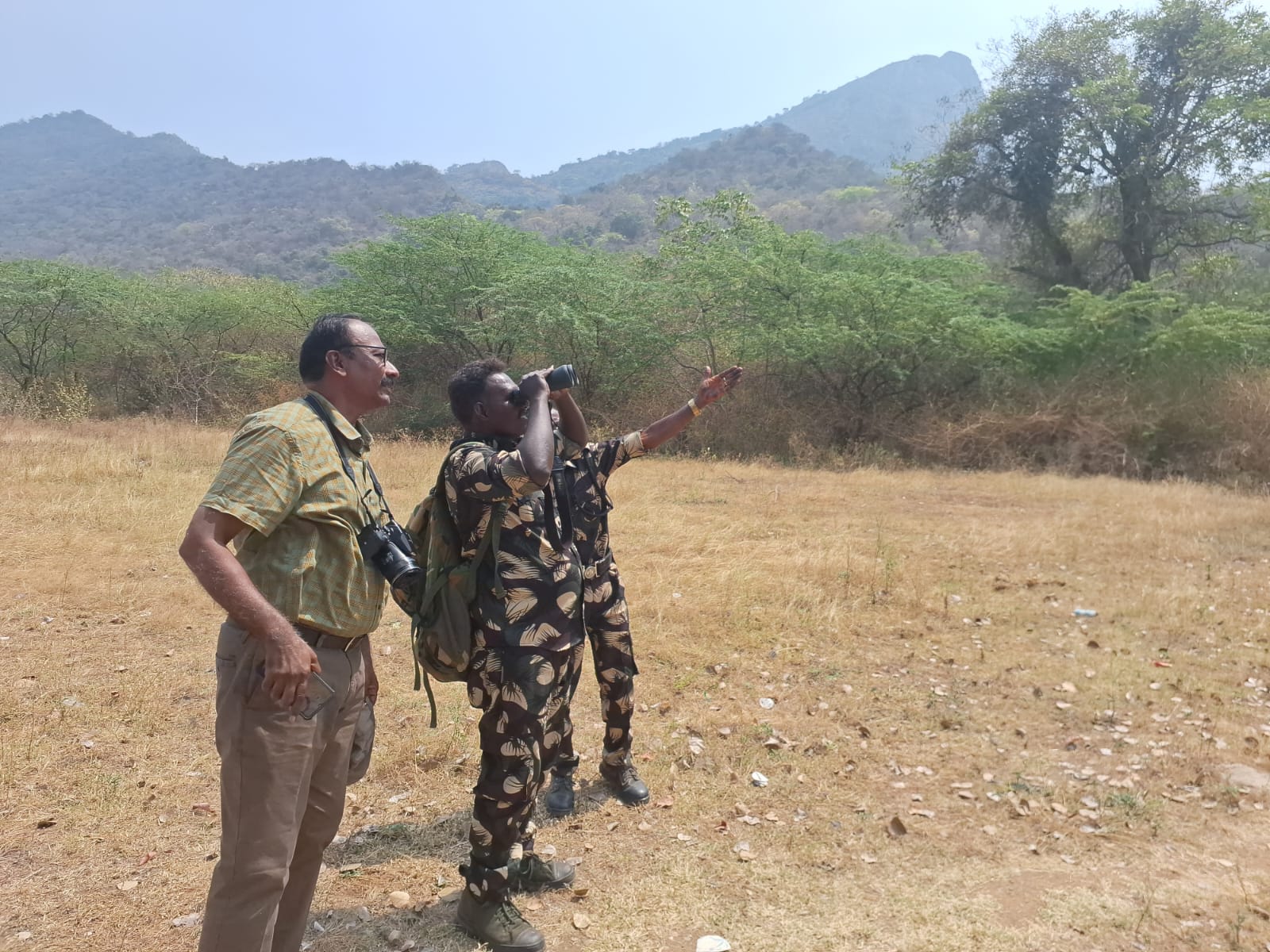
©Sharath S A / WWF-India
A crucial finding of the study was the strong association between raptors and ecotones, which are the transition zones between different habitat types. These are areas where forests meet the city—fragile edges increasingly strained by rapid urbanisation. More than 40 raptor species were found to be thriving in these transitional zones and nearly 79 per cent of all raptor sightings occurred in these ecotones, areas most vulnerable to encroachment, habitat fragmentation, and infrastructure expansion.
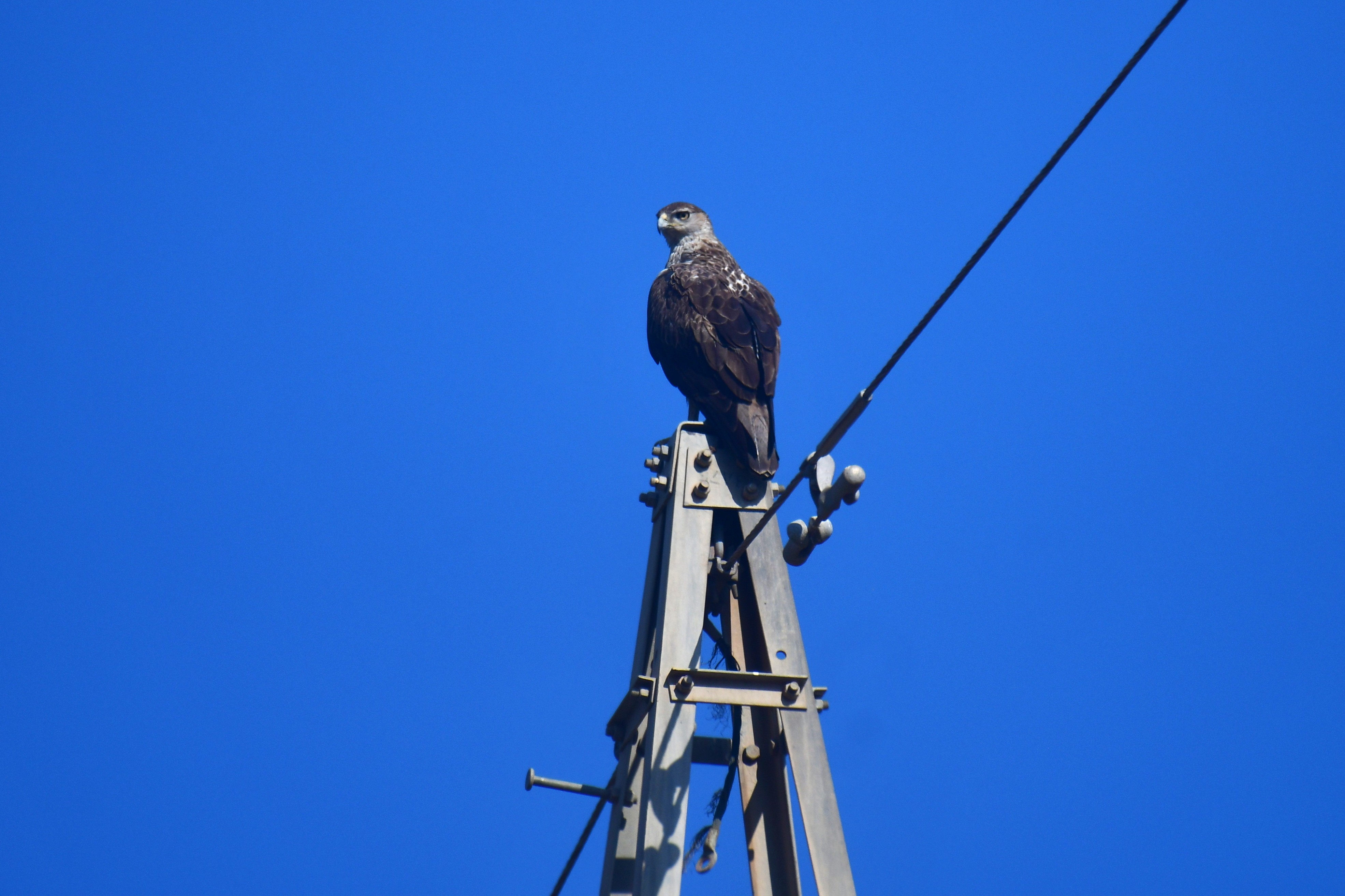
©Sharath S A / WWF-India
In Coimbatore's rapidly changing landscape, these insights are critical. The Coimbatore Master Plan 2041 envisions significant urban expansion into peri-urban and forest-adjacent areas, many of which overlap with ecologically important raptor habitats identified in this study. This report seeks to elevate the importance of raptors and integrate their conservation into the core of urban ecological planning in Coimbatore.
The report presents key recommendations supported by a structured action plan. These include measures to safeguard critical habitats; establish ecological corridors; promote bird-safe infrastructure, such as insulated power lines; strengthen solid waste management to reduce the risks of secondary poisoning; and institutionalise an Urban Biodiversity Monitoring Cell to embed ecological considerations within municipal governance systems.
The action plan provides a strategic framework for mainstreaming raptor conservation into Coimbatore's urban and peri-urban development agenda. It identifies priority interventions across land-use planning, infrastructure regulation, urban design, ecological monitoring, and community engagement. The framework calls for inter-departmental convergence and multi-stakeholder coordination, and recommends integrating raptor conservation measures into statutory, city-level planning instruments to ensure accountability and long-term sustainability.

©Sharath S A / WWF-India
Ms Supriya Sahu, Additional Chief Secretary, Environment, Climate Change and Forests Department, Tamil Nadu, said "Coimbatore stands at a pivotal crossroads with its Master Plan 2041, offering a unique chance to craft a sustainable, nature-positive city. This vital raptor assessment by the Tamil Nadu Forest Department and WWF-India reveals critical insights into a raptor-sighting cluster in fragile edge habitats that may be under urban pressure. Protecting key habitats, ecological corridors, bird-safe infrastructure, and reformed waste practices must be woven into the Master Plan for biodiversity-rich growth, making Coimbatore a harmony of progress and heritage where raptors soar over green corridors and wetlands."
Shri Rakesh Kumar Dogra, IFS, Principal Chief Conservator of Forests and Chief Wildlife Warden, Tamil Nadu, further added, "India's wildlife conservation has evolved toward landscape-scale strategies and community partnerships beyond protected areas. This report integrates cutting-edge science into Coimbatore's urban framework, with surveys documenting over 40 species, including threatened raptors in urban-forest ecotones. As Coimbatore's population surges, we advocate precautionary land-use planning, an Urban Biodiversity Monitoring Cell, and alignment with state initiatives like bird-safe powerlines—positioning Coimbatore to pioneer nature-positive urbanism."
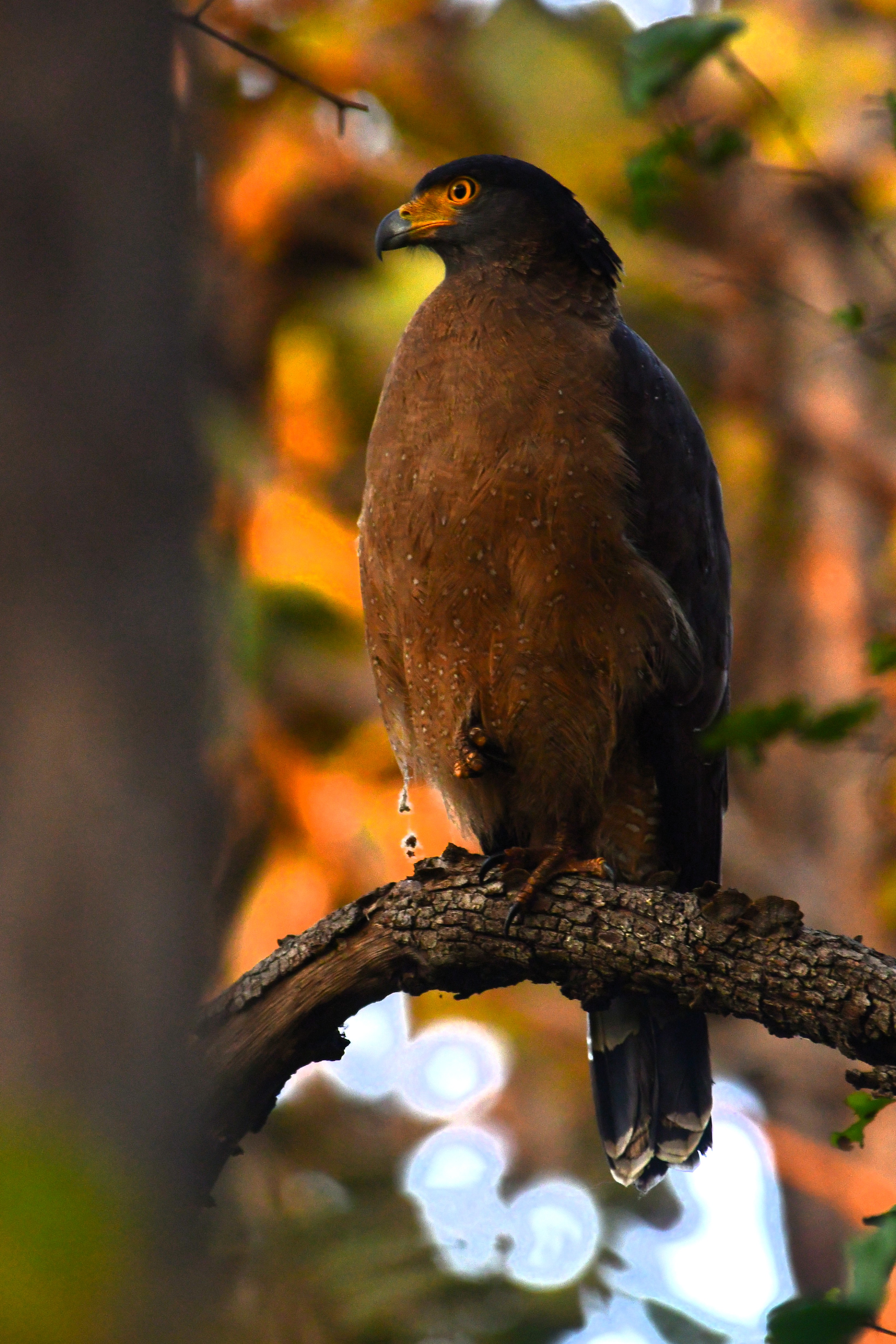
©Sharath S A / WWF-India
Ratul Saha, Director, Raptor Conservation Programme, WWF-India, said, "As apex predators, raptors are indispensable to ecosystem stability, regulating prey populations, maintaining ecological balance, and serving as powerful indicators of landscape and urban health. This report focuses on ecotones - transitional zones acting as biodiversity hotspots and buffers and urges habitat-sensitive zoning, bird-safe infrastructure, and green networks aligned with UN-Habitat principles for compact, resilient cities. By embedding these into the Coimbatore Master Plan 2041, we advance nature-positive urbanisation, supporting WWF-India's 2030 goals for ecosystem integrity and threatened species through science-based collaboration."
©Sharath S A / WWF-India
This initiative is well aligned with Tamil Nadu's broader conservation trajectory and its demonstrated leadership in ecological stewardship, including multiple Green Missions focused on landscape restoration, climate resilience, and biodiversity enhancement; the designation of 20 Ramsar sites; and the notification of India's first Dugong Reserve in the Gulf of Mannar, among others.
As Coimbatore looks toward 2041, the presence of raptors across its margins offers both a measure of hope and a call to responsibility. Their survival hinges on the choices made today—land use, infrastructure design, waste management, and the value placed on ecological knowledge. If Coimbatore succeeds in weaving raptor conservation into the fabric of its future, it will not only protect a vital group of species but also craft a model for cities seeking to grow without severing their connection to the natural world. For now, the raptors continue to circle above, their flight patterns a reminder that the fate of urban biodiversity and the future of human well-being remain deeply intertwined.