

Bengaluru; 17 February 2026: Karnataka supports more than 60 species of raptors—including vultures, large eagles, harriers, kestrels, buzzards, and owls—making it one of India’s most significant landscapes for birds of prey. The state is home to the critically endangered white-rumped vulture, Indian vulture, and red-headed vulture, as well as the endangered Egyptian vulture. Yet vulture populations remain low.
Karnataka also supports several globally threatened large eagles, including the Steppe eagle, greater spotted eagle, Indian spotted eagle, and tawny eagle and serves as a critical stopover and wintering ground for migratory raptors travelling between Central Asia, Europe, and Southeast Asia.

© Sharath S A / WWF-India
To strengthen raptor conservation efforts across the state, the Karnataka Forest Department and WWF-India have entered into a strategic partnership that will promote best-practice approaches, grounded in established scientific protocols and rigorous data collection. The initiative aims to generate a robust baseline on raptor distribution, habitat use, and key threats, which will guide targeted action.
The partnership will also focus on building institutional and field capacity, mitigating major threats such as poisoning, electrocution, unsafe veterinary drugs, and habitat loss, and promoting safer, raptor-friendly landscapes across diverse land use types. Through this initiative, Karnataka is poised to emerge as a national leader in raptor conservation.
The state’s first comprehensive raptor survey will commence shortly across the entire state of Karnataka with priority landscapes, including tiger reserves—Bandipur, Nagarahole, Bhadra, and Biligiri Ranganabetta; wildlife sanctuaries—Brahmagiri, Pushpagiri, Talakaveri, and Male Mahadeshwara Hills; and the Ramadevarabetta Vulture Sanctuary, India’s first and only dedicated vulture sanctuary.
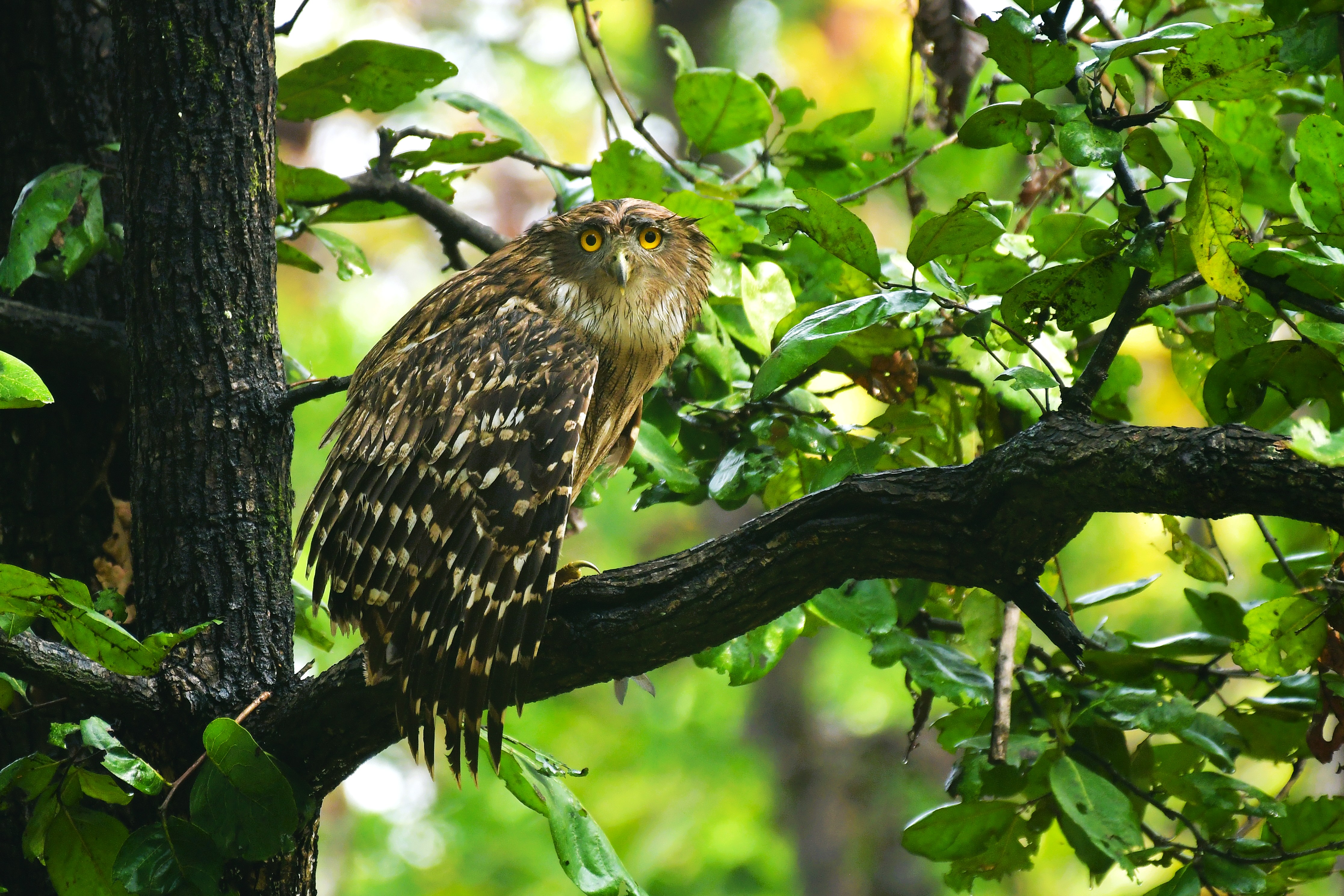
Brown fish-owl © Sharath S A / WWF-India
“Karnataka has a strong legacy of bird conservation, and raptors are a critical yet often under-studied,” said Mr Kumar Pushkar, IFS, Principal Chief Conservator of Forests (Wildlife) & Chief Wildlife Warden, Karnataka Forest Department. “This collaboration with WWF-India marks an important step towards a structured, science-led approach to understanding raptor presence, distribution, and threats across the state. The state-wide survey will lay a solid scientific foundation for long-term conservation that benefits both ecosystems and people.”
“Raptors are key indicators of ecosystem health, yet their declines often go unnoticed until impacts become visible on the ground,” said Ratul Saha, Director, Raptor Conservation Programme, WWF-India. “Karnataka’s decision to initiate a state-wide survey demonstrates a strong commitment to evidence-based conservation. This partnership will help shift from fragmented information to a comprehensive understanding that informs threat mitigation, capacity building, and the creation of safer landscapes for birds of prey.”
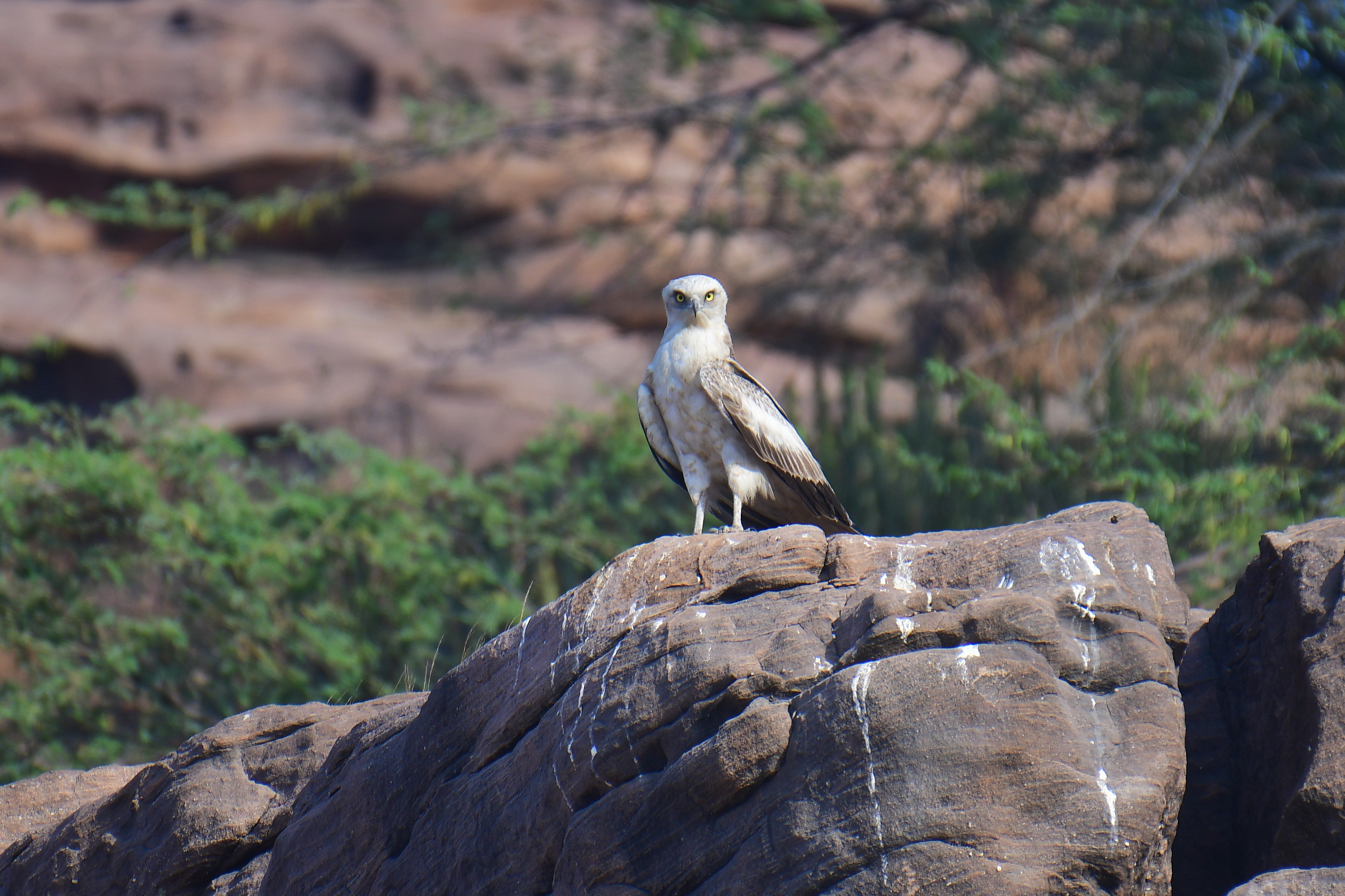
Short-toed snake eagle © Sharath S A / WWF-India
Raptors regulate rodent populations in farmlands, remove animal carcasses and reduce disease risks, and serve as sensitive indicators of ecosystem health across forested and non-forested habitats. Their presence also reflects the condition of open ecosystems—such as grasslands and wetlands—which are often underrepresented in conventional conservation planning.
Despite their ecological significance, raptors remain among the least systematically studied bird groups in Karnataka. Much of the existing knowledge is based on opportunistic records rather than structured scientific assessments. Therefore, WWF-India and the Karnataka Forest Department are adopting a phased approach—beginning with a rigorous scientific assessments of raptor distribution and habitats, followed by targeted conservation interventions.
Through this collaboration, Karnataka is reaffirming its commitment to advancing both the conservation and scientific understanding of raptors. By starting with a state-wide survey and progressively strengthening capacity, reducing threats, and securing safer landscapes, the state aims to establish a long-term raptor conservation framework that benefits ecosystems, agriculture, and communities alike.