

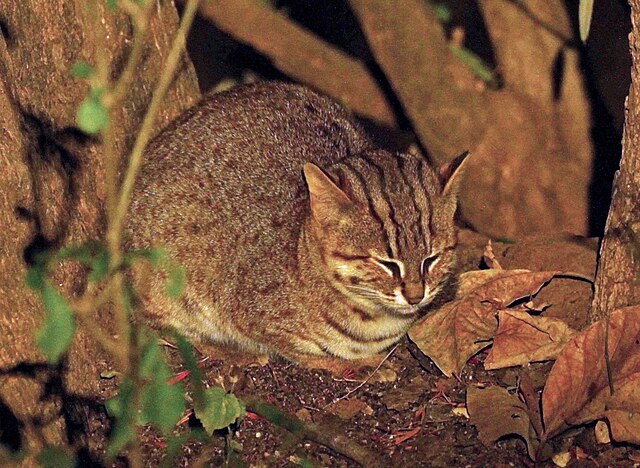
The vibrant red palash forests of the Veerangana Durgavati Tiger Reserve (VDTR) in Madhya Pradesh are celebrating a notable event—the first visual record of a rusty-spotted cat. One of the camera traps installed by the Madhya Pradesh Forest Department and WWF-India has captured a rare photo of the elusive rusty-spotted cat (Prionailurus rubiginosus), the smallest wild cat species in the world. Its identification was confirmed by its distinctive features, such as short, rounded ears, large eyes, rusty brown spots, and a bushy tail. The findings have been published in a scientific paper—First photo record of a rusty-spotted cat in Veerangna Durgavati TR, India—by the Madhya Pradesh Forest Department and WWF-India.
Camera trap discovery
Between February and March 2024, the Madhya Pradesh Forest Department and WWF-India conducted a camera-trap survey at VDTR, covering 221 grid cells (each 2 km²) with a camera-trap pair per cell, for a total of 442 km². The main objective of this exercise was to estimate the tiger population and document other wildlife species. During the review, researchers discovered a rusty-spotted cat in a photo captured on 12 March 2024 in the Dongargaon range of VDTR. The cat was identified by its short body, rufous and greyish colouration, a bushy tail approximately half its body length, and short, rounded ears, making this photograph the first visual record of the rusty-spotted cat in VDTR, adding valuable data to its mammalian diversity and semi-arid habitat.
The rusty-spotted cat
The rusty-spotted cat is among the smallest members of the feline family. It is found in a variety of habitats across India, primarily in moist and dry deciduous forests, scrublands, and open grasslands, whereas evergreen forests seem less suitable for it (1). More important than the type of forest is the habitat's structure: the species prefers areas with dense undergrowth and rocky outcrops that provide cover, shelter, and good hunting grounds.
In India, it is listed under Schedule I of the Wild Life (Protection) Amendment Act, 2022. Also native to Nepal and Sri Lanka, it has been classified as Near Threatened on the IUCN Red List since 2016 due to habitat loss and the destruction of its primary habitat, deciduous forests. Very little is known about its ecology and behaviour in the wild. Although some records indicate the rusty-spotted cat exists in cultivated and settled areas, it is unclear how well these populations can sustain themselves there (2).
The discovery site
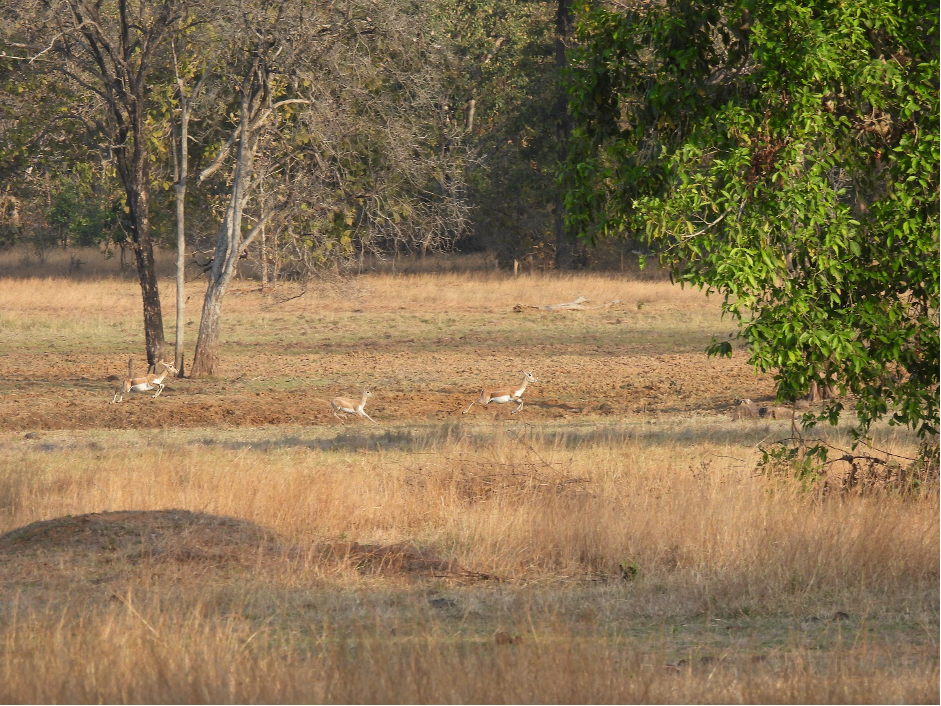
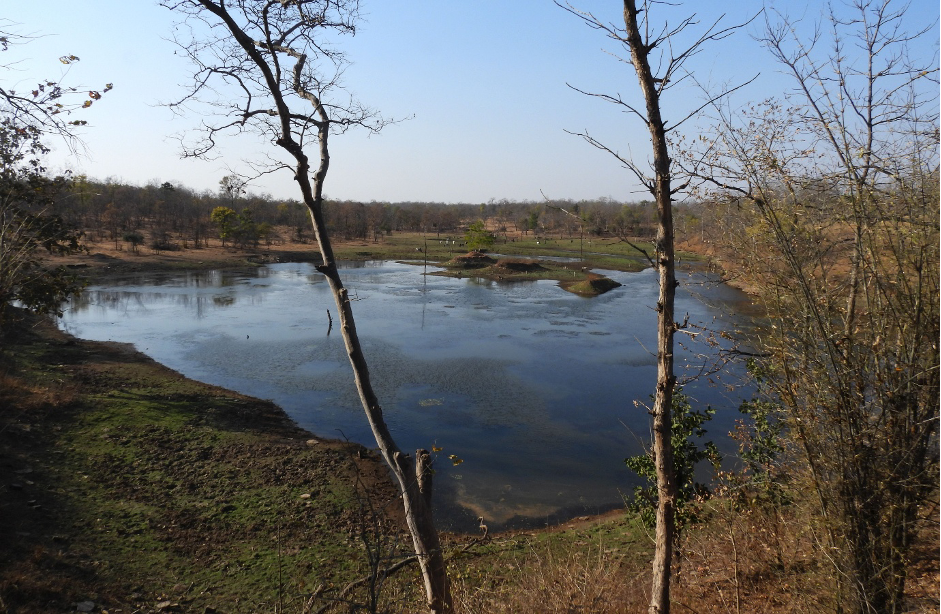
The Veerangana Durgavati Tiger Reserve (VDTR) is the largest tiger reserve in Madhya Pradesh, spanning nearly 2,339 km² across three districts: Sagar, Damoh, and Narsinghpur. Situated entirely on a plateau in the upper Vindhyan region, it lies within the Deccan Peninsula biogeographic zone and is part of the Ganga and Narmada river basins. The Reserve serves as a corridor connecting the Panna and Satpura Tiger Reserves and, indirectly, links to Bandhavgarh Tiger Reserve through the Rani Durgawati Wildlife Sanctuary.
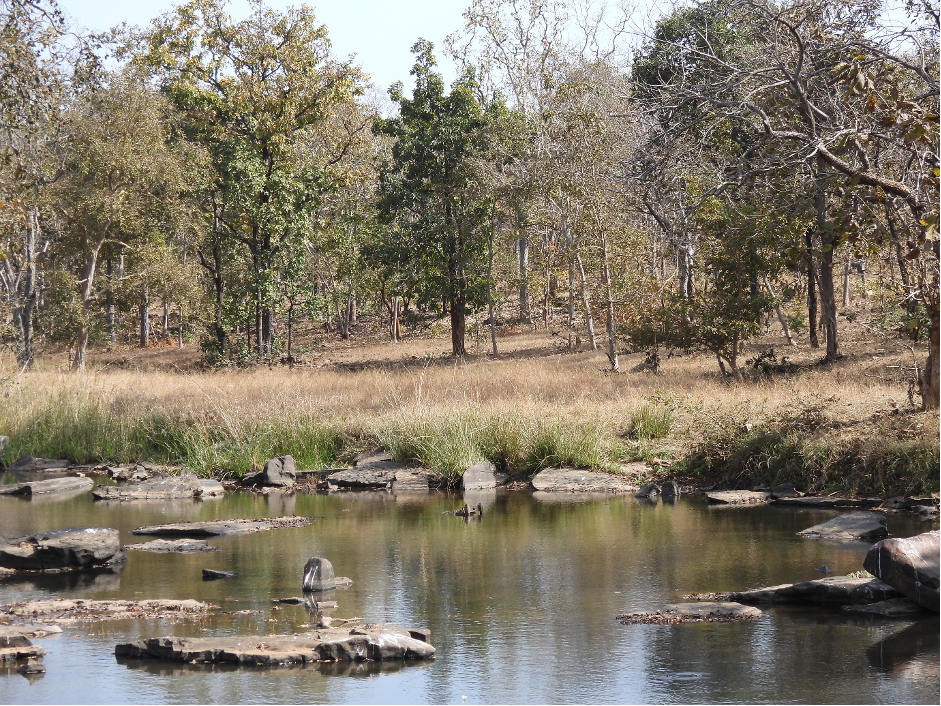
The rusty-spotted cat was detected in a camera-trap image from the Dongargaon range of VDTR. This area features tropical moist and dry deciduous forests primarily composed of teak (Tectona grandis) and sal (Shorea robusta), with bamboo and other dry deciduous species also present. The diverse vegetation supports rich biodiversity, including wolves, foxes, sloth bears, tigers, leopards, Asiatic wildcats, jungle cats, and seven species of vultures. This discovery indicates the extension of the rusty-spotted cat's range.
Conservation significance
For many years, the rusty-spotted cat was believed to be confined to southern India, mainly because sightings were rare and studies were limited. However, this perception has gradually changed over the last decade as the use of camera traps and focused field research spread into new areas. Currently, records indicate that the species is found throughout much of India. It has been observed in eastern Gujarat's Gir National Park, Maharashtra's Tadoba–Andhari Tiger Reserve, and along the Eastern Ghats. Additionally, camera surveys have confirmed its presence in the Terai region at Pilibhit Tiger Reserve and further south in Nagzira Wildlife Sanctuary. Notably, the cat can survive—and even reproduce—in human-dominated agricultural regions of western Maharashtra, where abundant rodents provide a consistent food source.
The species' northern range expansion offers equally enlightening insights. Camera traps detected rusty-spotted cats at Kalesar National Park, Haryana, in late 2014 and again in 2015 (3), and subsequently recorded them in Mirzapur Forest Division, Uttar Pradesh, in 2018. These observations suggest that this cat is not only more widespread than earlier believed but also more adaptable.
Conclusion
The first-ever photographic record of the rusty-spotted cat in Veerangana Durgavati Tiger Reserve (VDTR) confirms that the species’ range is wider than previously believed. This finding adds to scientific knowledge and highlights VDTR’s rich biodiversity and ecological value. It also shows that the rusty-spotted cat is more adaptable, capable of surviving in varied habitats—including semi-arid forests and even human-dominated landscapes. Overall, this discovery reinforces the importance of VDTR as a wildlife habitat that is home not only to tigers but also to multiple lesser-known and elusive species. It also underscores the need to monitor and scientifically manage such poorly understood species in the reserve.
In the quiet forests of Veerangana Durgavati Tiger Reserve, a tiny, unseen life finally stepped into the light—reminding us that nature still holds secrets worth protecting.
Reference: