
 © Chandrasekhar Kundu/shutterstock.com
Overview
The Central India Landscape (CIL) is a mosaic of forests, agricultural land and human settlements, serving as a network of wildlife habitats and movement corridors. Spanning Madhya Pradesh, Chhattisgarh, Maharashtra, Telangana and Andhra Pradesh, the CIL encompasses approximately 247,624 square kilometres and comprises 34 protected areas.
The landscape supports a tiger population of 1,150 individuals—one of the largest populations in the world (AITE 2022). Beyond tigers, it is home to numerous other threatened species, including Asian elephant, gaur, leopard, Indian wild dog, Indian grey wolf, wild water buffalo, rusty-spotted cat, four-horned antelope, and seven species of vultures. The region encompasses diverse ecosystems and preserves several ancient Indian cultural heritage sites, including Bhimbetka, Amarkantak and Sanchi. The landscape is also home to indigenous tribes, including the Baiga, Gond and Kurku, who have maintained their traditional relationships with the land.
The Central India Landscape presents unique conservation challenges, particularly the need to maintain wildlife habitat connectivity and promote coexistence in mixed-use areas where agriculture and forests intersect. Poorly planned linear infrastructure expansion, such as roads, railways and powerlines, poses a significant threat to this connectivity, fragmenting habitats and increasing wildlife mortality. Crop depredation by herbivores and the resurgence of human-elephant conflict also remain major challenges in the landscape, while poaching and illegal wildlife trade continue to threaten species recovery.
Central India’s tribal communities face significant challenges—half of them are below the poverty line, with a literacy rate of 57.23% and infant mortality rates 30% higher than national averages. Tribal women are particularly vulnerable to indebtedness and malnutrition, as their livelihoods rely heavily on agriculture and forest-based activities, which are often constrained by limited access to water, credit and markets. Therefore, community engagement remains a focus, with co-management models and recognition of community rights, such as Community Forest Resource Rights (CFRR), offering pathways for local stewardship and sustainable livelihoods.
 © WWF-India
OUR WORK – CENTRAL INDIA LANDSCAPE
WWF-India has been working in the Central India Landscape since 2008, focusing on species recovery through strengthened protection, wildlife monitoring and habitat restoration. A critical component of its work has also been maintaining and restoring the structural and functional connectivity of wildlife corridors to counteract rapid land-use change and habitat fragmentation, which disrupts wildlife dispersal and threatens their long-term survival. The landscape’s mosaic of forests and agriculture is further maintained and enhanced through market-linked sustainable agricultural production using regenerative and wildlife-friendly practices.
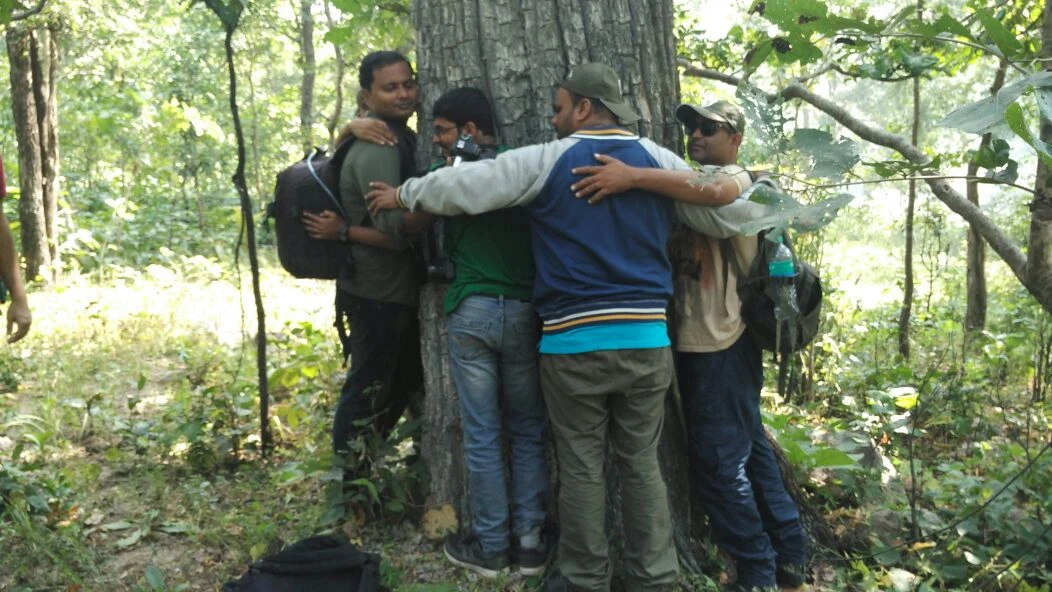
Central India’s rich conservation heritage depends fundamentally on tribal communities and local people. Therefore, WWF-India uses inclusive conservation approaches that recognise community rights and traditional stewardship to promote human-wildlife coexistence. Strengthened enforcement and community engagement have been central to combating poaching and illegal wildlife trade, ensuring that wildlife thrives while also supporting sustainable livelihoods across the region.

KEY PILLARS OF OUR WORK:
- WWF-India is developing a mechanism for landscape-scale intelligence gathering, planning, need-based support and advocacy. This includes the development of a dashboard for all the “sites” in the landscape, tracking their health and status.
- WWF-India is engaging with stakeholders, including forest departments, the National Highways Authority of India (NHAI), state highways authorities, Railways, and infrastructure design consultants, to embed suitable animal passages within infrastructure projects in wildlife corridors.
- WWF-India works extensively in the Kanha-Pench, Satpura-Pench, Kanha-Achanakmar, Pench–Nawegaon Nagzira, Tadoba-Kawal, and Tipeshwar–Kawal wildlife corridors, conducting regular monitoring of wildlife movement, community engagement and joint management planning to ensure a safe passage for wildlife.
- WWF-India is supporting forest departments in creating enabling conditions for wildlife recovery at sites such as Achanakmar Tiger Reserve, Verangana Durgavati Tiger Reserve, Balaghat Forest Divisions, Nawegaon-Nagzira Tiger Reserve, Kawal Tiger Reserve and Pipikonda National Park. It offers long-term support and capacity-building to understand wildlife population dynamics and inform management planning. With its efforts and support for these “lesser-known” sites, WWF-India expects to secure newer habitats and range expansion for species like tigers.
- WWF-India is also establishing community-based conservation models at some of these sites through community forest resources (management) rights and outreach to community leaders. This enables the garnering of socio-political support for conservation and helps in developing human-wildlife conflict management plans.
- WWF-India is engaging small and marginal farmers across Madhya Pradesh, Maharashtra and Telangana, supporting them in adopting organic, regenerative and wildlife-friendly agricultural practices. It is strengthening farmer producer companies (FPCs) to facilitate the smooth implementation of the practices, collective procurement and marketing. Through verifiable certifications, the organization is also identifying premium markets for these agri commodities. Commodities such as cotton, orange, custard apple, maize and Non-Timber Forest Products (NTFPs) are being brought under regenerative and wildlife-friendly practices.
- This approach is expected to improve farmer incomes and livelihood security, while ensuring enhanced biodiversity and safe wildlife passage through agri-forest mosaics.

 © shutterstock.com
Support Conservation
Your contribution helps us in protecting wildlife, restoring habitats and building a better future for people and nature.
Donate