
 © Sandycinecam/shutterstock.com
Overview
Nearly 50% of India’s geographical area is under agriculture, making it the backbone of the nation’s food security. However, agricultural practices exert significant pressure on natural resources and biodiversity through intensive use of water and chemical inputs such as pesticides and fertilisers. These practices also contribute to greenhouse gas (GHG) emissions, particularly in resource-intensive commodities such as paddy, cotton, sugarcane and dairy—and in agriculture- and dairy-intensive states across India.
In addition, inefficiencies in the supply chains of key commodities result in substantial food loss, while changing consumption patterns pose further challenges to the long-term sustainability of the food system.
Agriculture also has a distinctive relationship with forests in India, as agricultural landscapes often serve as wildlife corridors in several landscapes. While this agriculture–forest interface is critical for species movement, it also presents challenges, as farming systems are often not harmonised with wildlife conservation needs.

OUR WORK
The programme works in vulnerable, high-output agricultural regions across India, including Punjab, Telangana, Maharashtra, Madhya Pradesh and Gujarat.

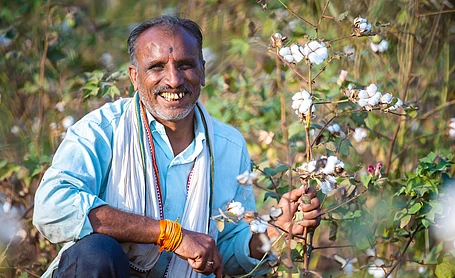
WWF-India promotes the adoption of sustainable agricultural practices in high-intensity, resource-stressed systems by advancing efficient water management among key stakeholders, designing and implementing carbon-neutral agricultural practices, and advocating for the phase-out of environmentally hazardous chemicals in agriculture.
WWF-India demonstrates innovative approaches to address emerging issues in promoting sustainability and reducing the ecological impact of agricultural systems. The programme focusses on developing and testing approaches to reduce food loss in priority regions, building consensus with high-impact food sectors to minimise the food footprint, and piloting holistic solutions for sustainable crop residue management.
WWF-India promotes sustainable production systems that support resilient landscapes, communities and supply chains by maintaining forest–agriculture mosaics within wildlife corridors, promoting sustainable and regenerative agricultural practices, and facilitating the development of wildlife-friendly products through certification and supply-chain traceability.
 © shutterstock.com
Support Conservation
Your contribution helps us in protecting wildlife, restoring habitats and building a better future for people and nature.
Donate